


Online slot bet kecil has become an important part of modern digital culture. What started as a simple way for players to connect over computer networks has developed into a global entertainment industry. Today, people can compete in tournaments, cooperate with friends, explore virtual worlds, create content, and communicate with communities through internet-connected games.
The rapid development of technology has made online gaming more accessible and sophisticated. Faster internet connections, powerful processors, smartphones, cloud services, and advanced graphics have all contributed to the industry’s growth.
The Changing Face of Gaming
Traditional gaming often focused on individual experiences or local multiplayer sessions. Online connectivity introduced a completely different approach.
Players could interact with people who were not physically present. Over time, this idea became central to many popular games.
Modern online games can support large communities, frequent updates, live events, and constantly changing digital environments.
How Internet Connectivity Supports Gaming
Online games depend on communication between a player’s device and remote servers. Information about movement, actions, and game events must travel quickly between these systems.
A stable connection helps reduce delays and interruptions.
Improved internet infrastructure has made real-time multiplayer gaming more practical and enjoyable, especially for competitive players who depend on accurate timing.
The Appeal of Real Players
One of the most interesting aspects of online gaming is that players interact with real people.
Human opponents can use unexpected strategies, while teammates may approach challenges differently.
This creates a constantly changing experience. Even after playing the same game for hundreds of hours, players may continue discovering new situations and strategies.
Competitive Gaming
Competition gives players a clear reason to improve. Many online games provide rankings and performance statistics that allow users to measure their progress.
Players may spend time practicing specific skills, studying strategies, and learning from experienced competitors.
For some users, competition is casual entertainment. For others, it can become a serious pursuit through tournaments and professional esports.
Cooperative Gaming
Cooperative games focus on teamwork rather than direct competition. Players work together to complete missions, solve puzzles, defeat powerful enemies, or survive challenging situations.
Communication is often essential.
Teams that coordinate effectively can accomplish objectives that would be difficult for individual players.
Different Online Gaming Genres
The industry includes many types of games.
Action Games
Action titles often require quick reactions, precise movement, and tactical awareness.
Role-Playing Games
These games allow players to develop characters, explore worlds, complete quests, and collect items.
Strategy Games
Strategy games challenge users to plan carefully, manage resources, and anticipate opponents.
Racing Games
Players compete against others on virtual tracks and can often customize their vehicles.
Sports Games
Online sports games recreate popular sporting activities and provide competitive multiplayer modes.
Adventure Games
Adventure titles often combine exploration, storytelling, puzzles, and multiplayer interaction.
The Importance of Gaming Communities
Online gaming communities provide players with places to share knowledge and experiences.
Community members may create tutorials, strategy guides, videos, artwork, and discussions about updates.
A strong community can help a game remain active long after its initial release.
Social Connections Through Gaming
Gaming can help friends remain connected when they live far apart. Players can meet regularly in online environments and communicate through voice or text.
Some people also develop friendships through gaming communities.
The social aspect of gaming has become so important that many games now include features designed specifically to encourage communication and group activities.
Esports and Professional Competition
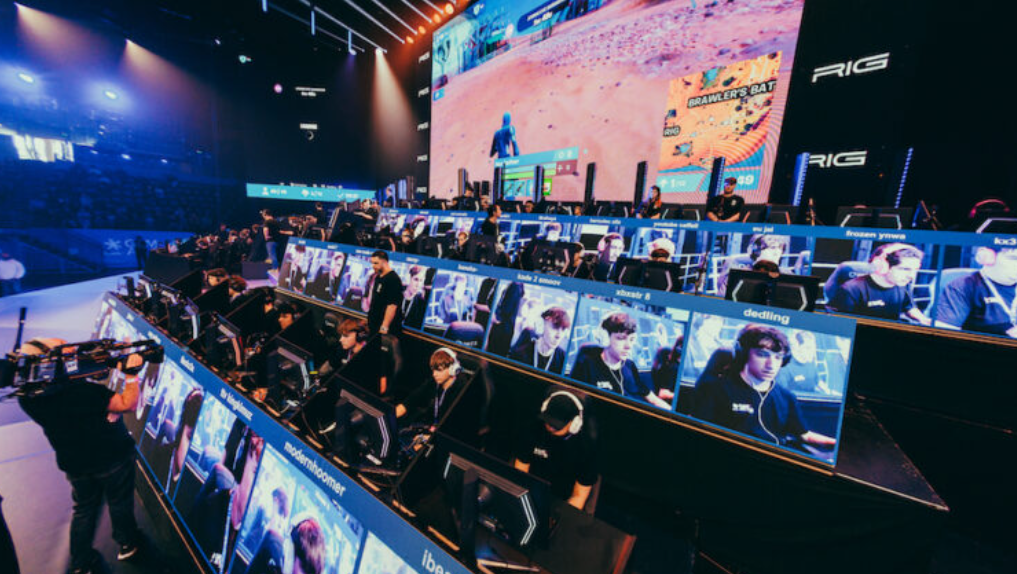
Esports has turned online gaming into a professional field. Skilled players can compete in tournaments organized by teams, leagues, and event companies.
Professional gaming requires regular practice, strategic planning, teamwork, and discipline.
The esports ecosystem also includes coaches, analysts, broadcasters, organizers, and content creators.
The Growth of Gaming Content
Online gaming has become closely connected with video and livestreaming platforms. Players can broadcast their gameplay to audiences around the world.
Viewers may watch for entertainment, strategy advice, or competitive analysis.
Gaming creators also produce reviews, guides, challenges, and news content, giving the industry another layer of digital entertainment.
Mobile Gaming Expands the Audience
Smartphones have made online gaming accessible to a huge number of users.
Mobile games can be played without dedicated gaming equipment and are often designed around convenient controls.
Some mobile titles are simple and casual, while others offer detailed multiplayer systems and long-term progression.
The Economics of Online Gaming
Modern games use various revenue models. Developers may sell games directly, offer subscriptions, or use advertisements.
Free-to-play games have become particularly common. Players can access the main experience without paying upfront, while optional purchases provide additional revenue.
These purchases can include cosmetic items, seasonal content, expansions, and other digital features.
Gaming and Problem-Solving
Many games require players to analyze situations and make decisions.
Strategy games can involve resource management, while action games may require players to react quickly.
Multiplayer games can also require users to recognize patterns in opponents’ behavior and adjust their strategies.
These challenges can make gaming mentally engaging.
The Challenges of Excessive Gaming
Despite its many advantages, gaming needs to be approached responsibly.
Playing for excessive periods can interfere with sleep, exercise, education, employment, and relationships.
Players should pay attention to how gaming affects their daily routines and establish reasonable limits when necessary.
Protecting Gaming Accounts
Online accounts can contain valuable information and digital purchases, making security important.
Players should use strong, unique passwords and enable additional security features when available.
They should also avoid suspicious links and messages that request login details.
Understanding common online scams can help players protect their accounts.
Artificial Intelligence in Gaming
AI is becoming increasingly relevant to the gaming industry.
Developers can use artificial intelligence to create more intelligent characters, improve testing processes, and make game environments more responsive.
In the future, AI may allow games to adapt to individual players and provide customized challenges.
The Potential of Cloud Gaming
Cloud gaming allows demanding game processing to take place on remote servers.
Players can then access the game through an internet connection without requiring the same level of hardware performance locally.
This could make advanced games more accessible, although connection speed and stability remain important.
Virtual Reality and Augmented Reality
Immersive technologies could significantly influence the future of online gaming.
Virtual reality allows players to interact with digital environments through specialized equipment.
Augmented reality combines digital elements with the real world.
Both technologies could introduce new ways for players to communicate, compete, and cooperate.
Maintaining a Healthy Gaming Lifestyle
A balanced routine is essential. Players should take regular breaks and make time for sleep, exercise, work, education, family, and offline hobbies.
It is also useful to manage spending on optional digital content.
When gaming remains one part of a balanced lifestyle, it can be an enjoyable and rewarding activity.
Gaming as a Worldwide Phenomenon
Online slot thailand has created a global community. People from different countries can communicate and cooperate through shared virtual experiences.
This interaction has helped gaming cross cultural and geographical boundaries.
The industry continues to bring people together through common interests and shared challenges.
The Future of Online Gaming
Online gaming is likely to become even more connected in the future. Faster networks, artificial intelligence, cloud computing, and improved graphics will allow developers to create increasingly advanced experiences.
Cross-platform compatibility may make it easier for players using different devices to participate together.
More immersive technologies could also transform gaming into a broader social experience.
Conclusion
Online gaming has evolved into a powerful form of digital entertainment that combines technology, competition, teamwork, and social interaction. Its influence now extends into esports, streaming, mobile entertainment, and online communities.
As technology continues to develop, online games will become more accessible, interactive, and immersive. New innovations will provide players with experiences that were once difficult to imagine.
The future of online gaming is likely to be highly connected, giving people even more opportunities to compete, cooperate, communicate, and enjoy digital worlds together.